Storm Damage in Lebanon, IN
From the first moisture reading to the final dry check, Lebanon Water Restoration restores storm soaked homes across Boone County.
For Storm Damage in Lebanon, Lebanon Water Restoration brings the equipment, the certifications, and the paperwork: 24/7 response, written scopes, and insurance claim support. Call (765) 978-5086 for dispatch.
- Service: Storm Damage for Lebanon homeowners
- Service area: Lebanon, IN and surrounding areas
- Response time: Emergency calls from Lebanon dispatched immediately, day or night
- Licensed and insured (License #RC21100059)
- Serving Lebanon, IN since 2018
Storm Damage Cleanup in Lebanon
We'll dry out your home in Lebanon after storm water gets in through the roof or the basement.
Storms Here
Severe thunderstorms come through in spring and summer. Storms here can also bring large hail and damaging wind. If your insurance company asks for a storm date, NWS Indianapolis keeps a list of past events.
Where Storm Water Ends Up
With full basements common here, a big storm can bring water in from below as well as through the roof. That makes it a basement flooding job too.
After a storm we can be anywhere in Lebanon, from Angilee Gardens to the roads around the Big 4 Trail and Hot Pond Park. Nearby, we also dry out storm damage in Thorntown, Zionsville, Whitestown and Pittsboro.
Expert Storm Damage for Lebanon Homeowners
Storm water that comes in overhead hides most of itself. What you can see is a wet patch of drywall. What you can't see is the insulation above it holding water against the ceiling board while the framing wicks it sideways and the top of the wall below starts to wet out. Lebanon Water Restoration dispatches to storm damage calls across Lebanon and Boone County within 2 hours with thermal imaging and probes that read what's inside the assembly.
Aaron Christy founded the company behind Lebanon Water Restoration in 2018. On a storm job in Lebanon, the crew covers the opening, reads the materials and removes only what won't dry, then logs readings until the numbers say the house is dry. You get those readings and the photos in a file you keep, so the work is easy to follow later.
When the clearance readings are documented, the equipment comes out and the technician walks the rooms with you. The final readings and the list of removed materials get reviewed together, and the photo set goes in your file. That walk tells you what repairs come next in your Lebanon home and gives your contractor a clear record to work from.
Insulation is easy to lose track of once it's in a dumpster, so it gets documented carefully. Lebanon Water Restoration records the type, depth and square footage of everything that comes out of your Lebanon attic, photographs it in place and bagged, and notes the R value the replacement has to match. That record stays in your photo report for whatever you decide.
One call gets a crew on the way to your Lebanon, IN home, any hour of the day. Lebanon Water Restoration covers the opening, pulls the water, and dries whatever the storm's gotten into. You keep every reading the crew takes.
Signs You Need Storm Damage Restoration
If you notice any of these in your Lebanon home, schedule a free inspection before the issue worsens.
Dark streaks running down an interior wall from the ceiling line toward the baseboard
Puddles along an exterior wall or standing water in a basement window well after heavy rain
Water on the basement floor after the power failed and the sump pump stopped
Wallpaper seams lifting or paint peeling at the baseboard after a storm
Water staining on the wall below a window after rain came in sideways
Water stains running down a stairwell wall from the upper floor
Water dripping from a ceiling light fixture or running down the canopy of a ceiling fan
A brown or yellow ring on a ceiling that got noticeably bigger after the last heavy rain
Paint or texture blistering along the top of an exterior wall after a windy storm
Hardwood boards cupping near a patio door or garage entry
How Lebanon Water Restoration Handles Storm Damage
We follow these steps in order on every Lebanon job.
Emergency Stabilization
Tarp, shrink wrap or board up goes over the opening the storm made, photographed before and after. Stopping the ongoing intrusion is what lets the drying numbers hold. Details of the opening get passed to whoever's handling the permanent roof or siding repair.
Contents Protection
Furniture legs get blocked off wet flooring and small items move out of the water's reach, with photos taken of anything that shifts. Rugs and boxes in a flooded basement come up off the floor before extraction starts.
Wet Insulation Removal
Soaked batts and matted blown in get bagged out of the attic and the ceiling cavity, with type, depth and square footage recorded for the rebuild and for the claim. Wet insulation holds water against the ceiling board and loses its insulating value while it's wet.
Photo Report
Entry point photos, the water path, the daily readings and the itemized scope go into a photo report you keep. The crew walks you through it, and you sign off on the scope in writing before there's any demolition.
Clearance Verification
Final moisture readings are taken on every affected material at the same marked locations and compared against the unaffected baseline recorded at the start. Equipment comes out once that comparison's documented, containment follows, and the verification sheet goes into your file.
Storm Damage in Lebanon
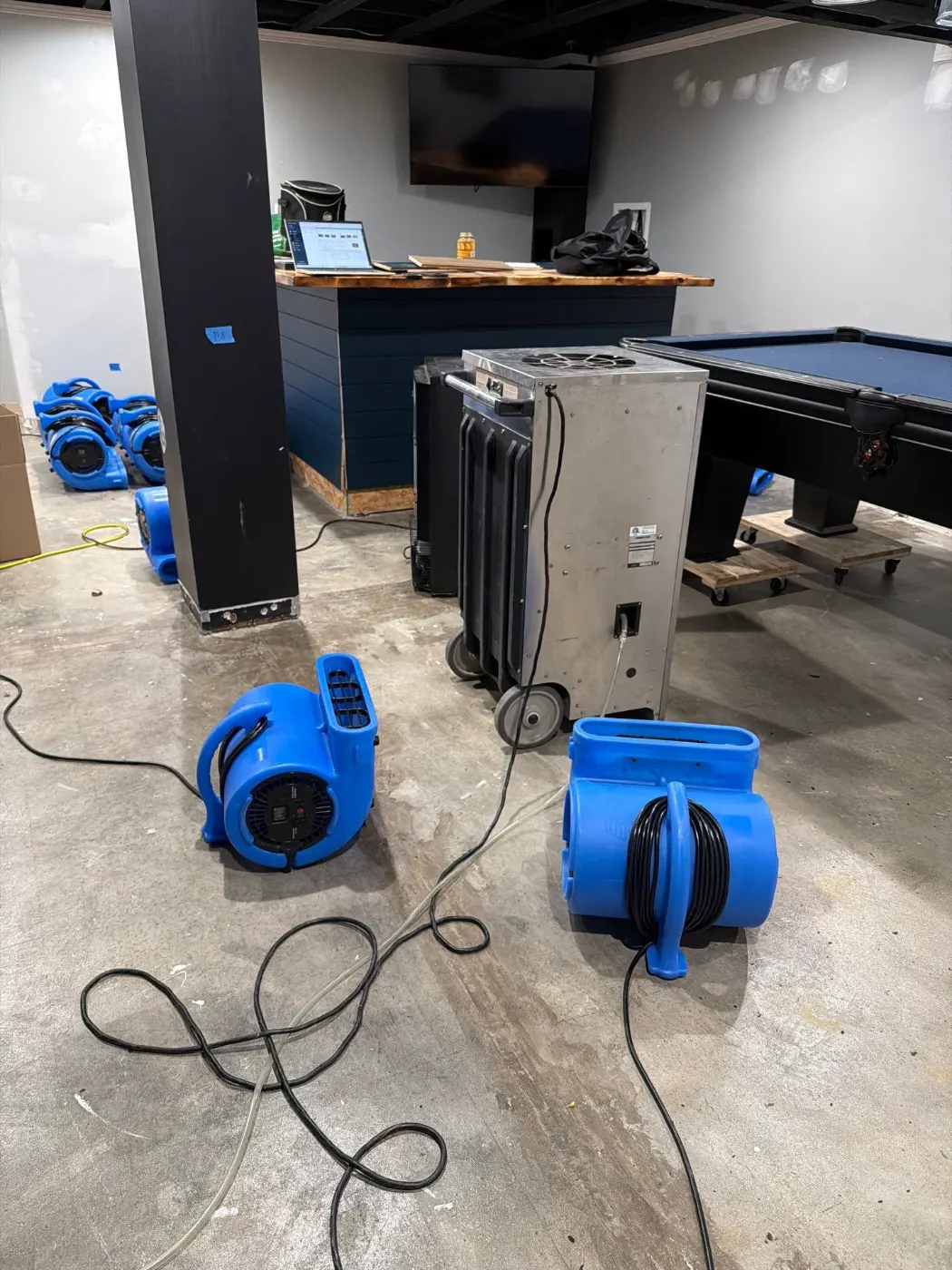
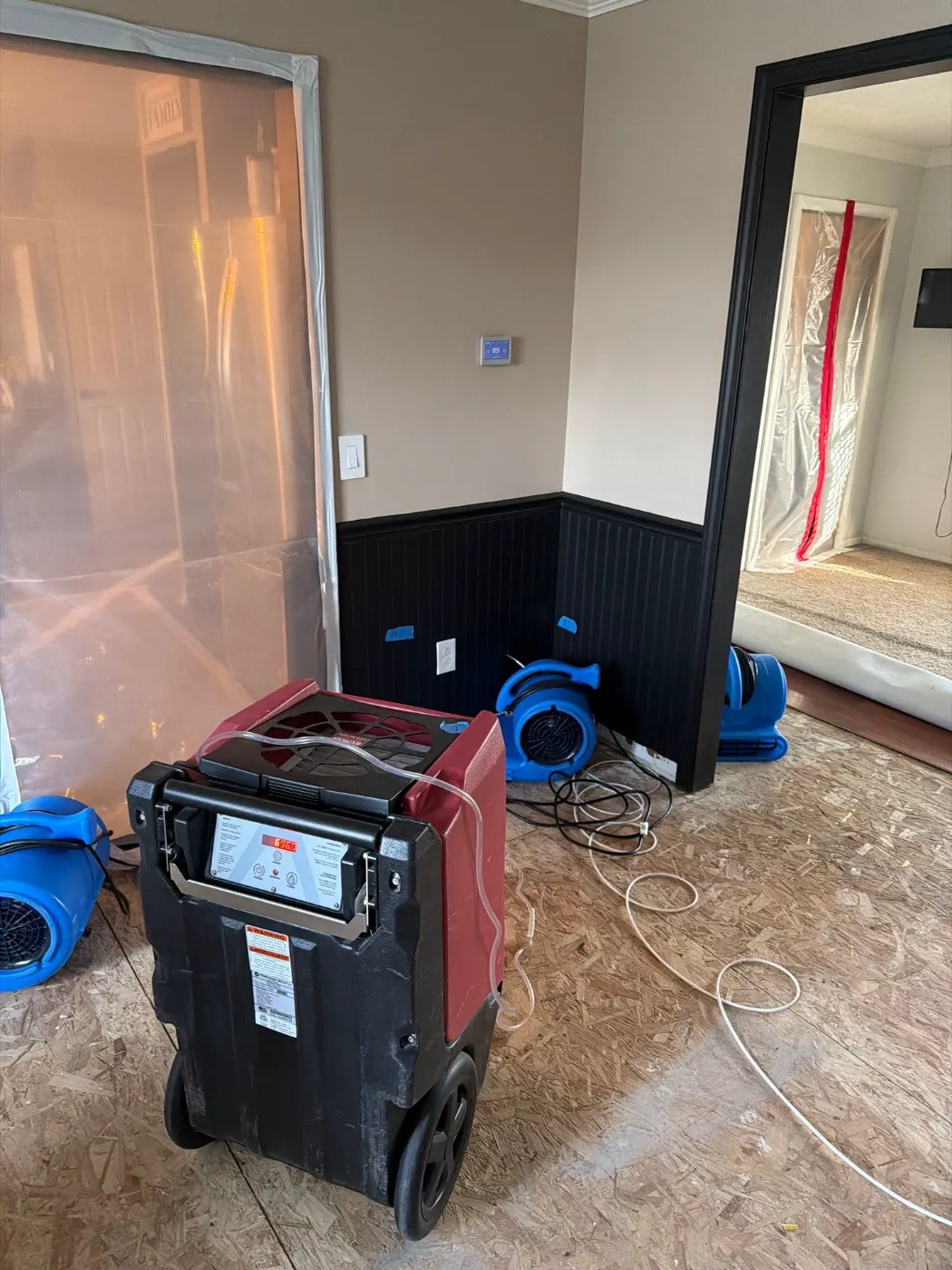
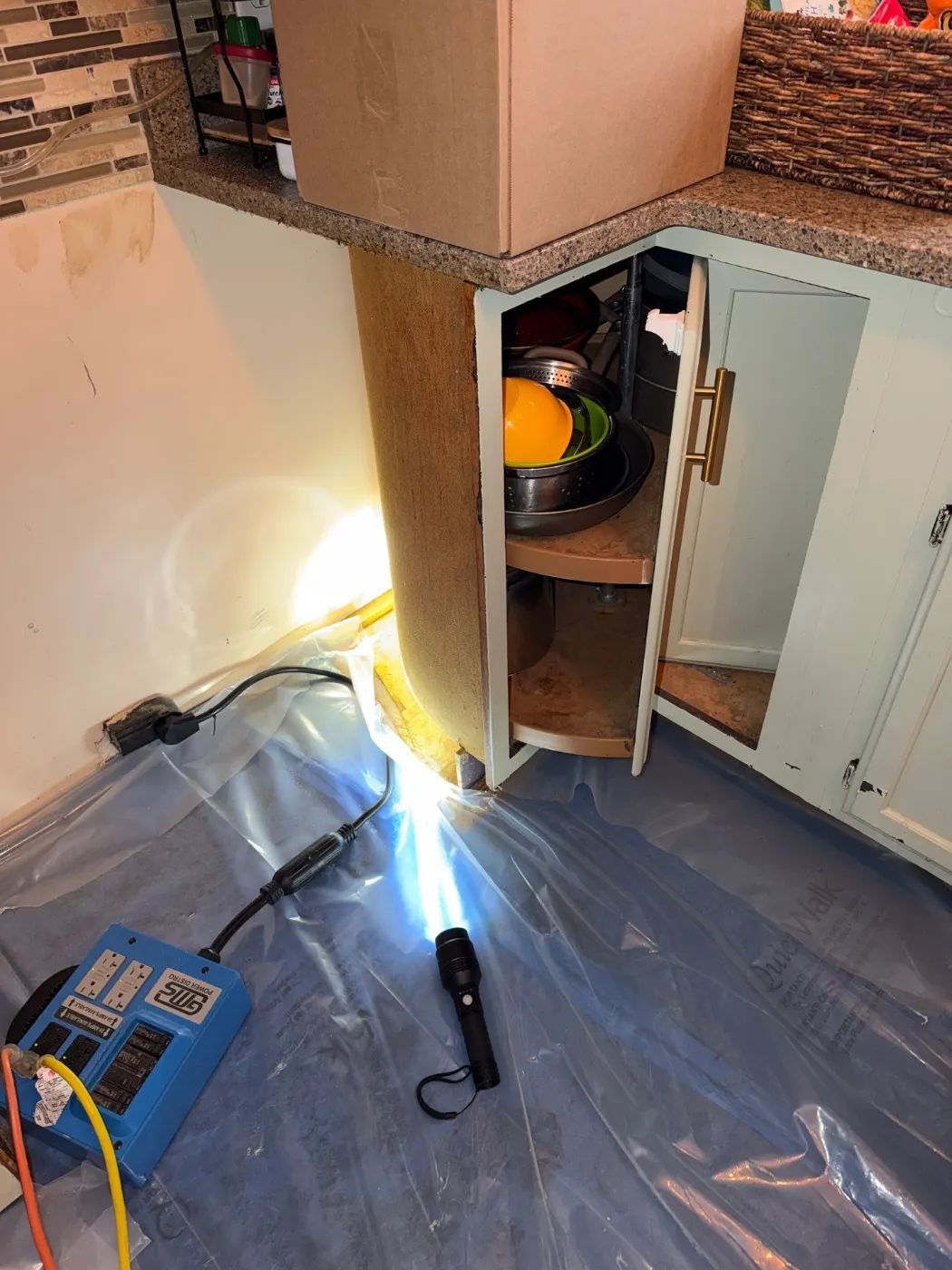
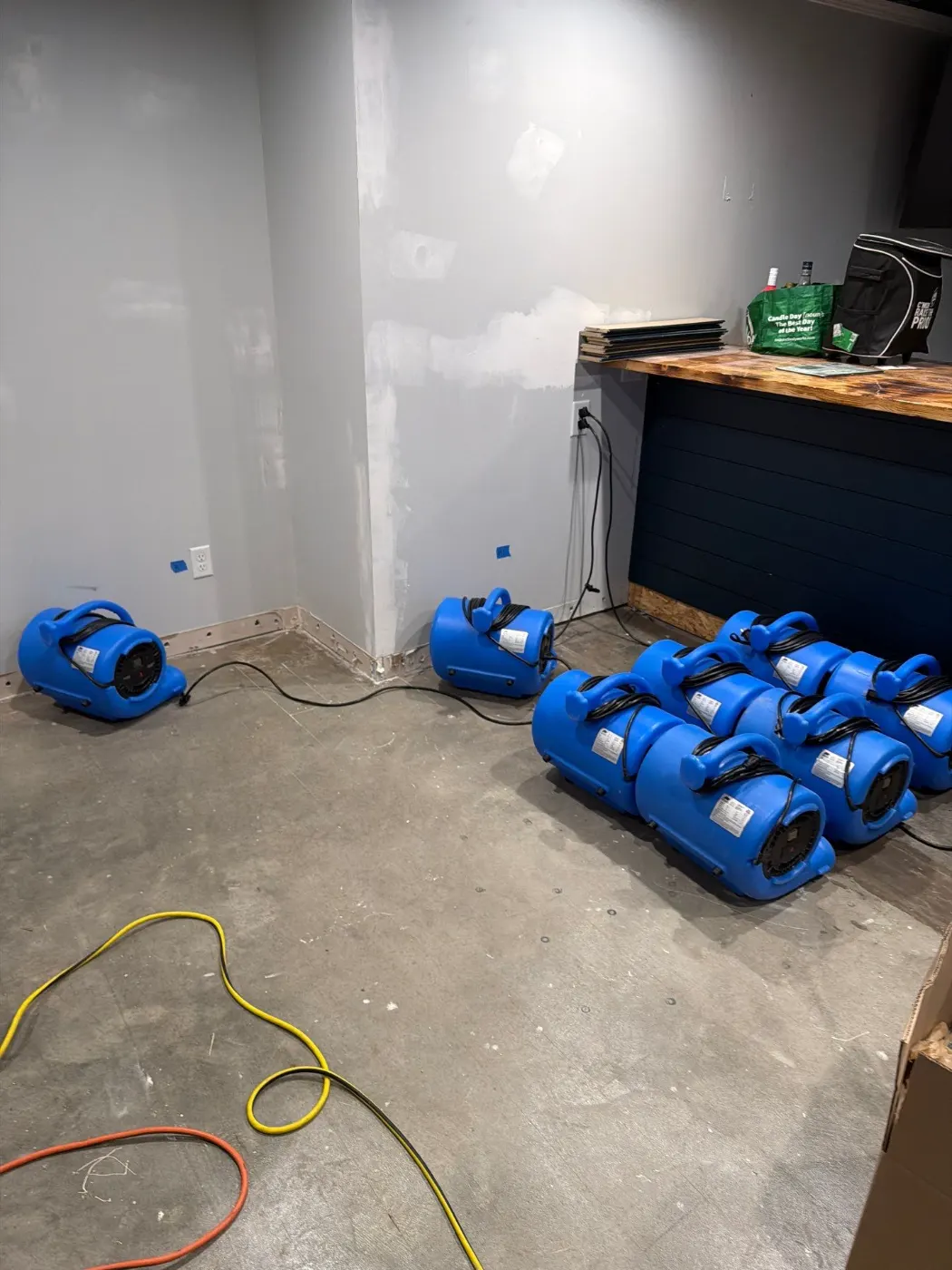
Photographs from real storm damage jobs completed by our crew in Lebanon and surrounding areas.
Storm Damage FAQ
Questions Lebanon homeowners ask us about storm damage restoration.
Guidance and Standards for Storm Damage
- The National Weather Service office in Indianapolis posts summaries of recent central Indiana storm and flood events. NWS Indianapolis Event Summaries
- The Indiana Department of Insurance advises against permanent repairs before your insurance company inspects the damage. Check your own policy for what it covers. Indiana Department of Insurance: Insurance Claim Tips
Lebanon Neighborhoods We Serve
We take storm damage calls in every part of Lebanon. Pick your neighborhood for local details.
Other Restoration Services in Lebanon
Lebanon Water Restoration handles the full scope of restoration work. Explore our other services below.
Water Damage Restoration in Lebanon
24/7 emergency response. IICRC certified water restoration from extraction to full dry out.
Learn more →Basement Flooding in Lebanon
Basement water emergencies handled fast. Extraction, drying, mold prevention.
Learn more →Sewage Cleanup in Lebanon
Category 3 biohazard cleanup. Full containment, decontamination, structural restoration.
Learn more →Request Storm Damage Restoration
Reach Us Directly
Our team is available 24/7 for emergencies and ready to schedule inspections during business hours.
Need Immediate Help?
For active water or mold emergencies, call us directly. We are available 24/7.